Construction entrepreneur Steven Cabaj talks about how his leadership philosophy is deeply rooted in his father’s immigrant entrepreneurial journey and his own experience building a company from the ground up.
Associated Builders and Contractors, San Diego (ABCSD): Talk about your father’s journey from Polish immigrant to entrepreneur and how it shaped your approach to running a construction business.
My father escaped from Communist Poland when he was seventeen and ended up in San Diego as a refugee. He worked a lot of different jobs一driving a taxi and working in factories一before landing at a local controls company in the early 1980s. He worked his way up over time: installer, technician, programmer, project manager, and eventually, operations manager. When the company was acquired, he expected to become branch manager but it didn’t happen, so in the mid-1990s he started his own controls contracting business.
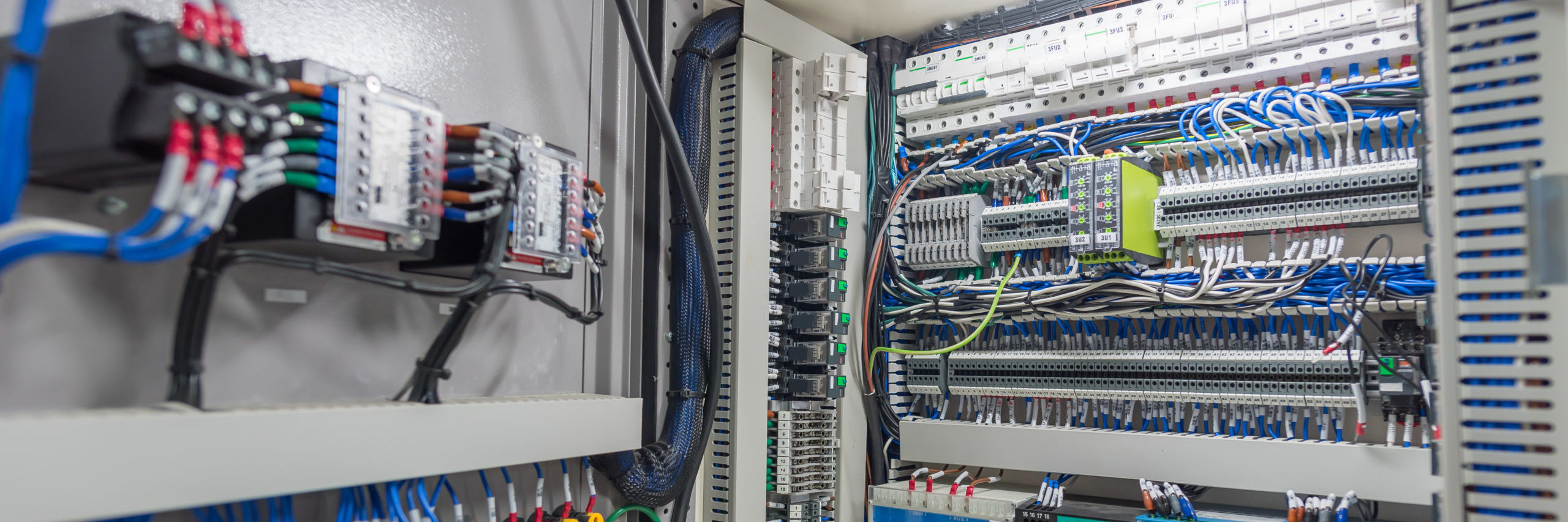
My father worked on building automation systems. That included designing, installing, programming, and servicing HVAC control systems, as well as fire alarm, surveillance, and security systems—mostly low-voltage electronic systems for buildings. I was very young then, but I grew up watching him build the company and deal with the ups and downs. I saw the stress, the long hours, and how hard it was on our family.
My brother and I worked at my father’s company during summers in high school and college and then joined the company full time. Two years later, my father sold the business, which gave me the opportunity to start my own company.
ABCSD: Describe the company you started and some of the challenges you have faced.
This was 2016, and I noticed there weren’t many subcontractors who specialized in the installation portion of controls work. That felt like a gap in the market, especially in San Diego, where there were even fewer firms focused on HVAC controls. So we focused entirely on being the construction arm—installing HVAC control systems and similar technologies for companies like my father’s.
We grew quickly. We went from about five employees at the end of 2017 to around 20 in 2018, 30 in 2019, and we’ve continued growing since then. That growth came with challenges, especially around workforce, compliance, and managing people at scale.
Even with my father’s guidance, starting my own business wasn’t easy. I still made a lot of mistakes. I had to learn on my own, and that experience really shaped how I run my business today.
ABCSD: What lessons did you learn in those early years that you’d pass on to other contractors?
The advice I would pass on is, you should try to answer every phone call. I try to pick up every time, or at least call people back quickly—whether it’s a customer, an apprentice, a supervisor, or a project manager. A lot of my job is just resolving problems. You have to listen to people and try to understand what they’re dealing with.
The other thing has to do with adaptability. Running a business isn’t about doing things the same way forever. Markets change. Regulations change. You have to be willing to adapt and come up with new solutions, even in the midst of exponential job growth.
ABCSD: When did you first join ABC, and how did that relationship evolve?
We joined ABC in late 2017 after landing some of our first prevailing wage projects. At the time, we didn’t fully understand how to handle prevailing wage requirements, and honestly, we didn’t get much guidance elsewhere.
Initially, I wasn’t sure we were getting much value out of the membership. When renewal came up, I even questioned whether we should keep it. But my controller pointed out that ABC had been helping us a lot—especially with compliance and paperwork—and that without it, prevailing wage work would have been much harder.
Once we realized that, we started paying closer attention to what ABC offered. By 2019, we began enrolling apprentices, and that’s when we really saw the value. The apprenticeship program provided structure, training, and a clear pathway for younger workers, and it became an important part of how we grew our workforce.
ABCSD: How can ABC support companies that are growing quickly?
For a growing company, ABC can be a strong recruitment and staffing resource. You can bring in apprentices who are completely new to the industry, or hire people with some experience through out-of-work lists.
Beyond that, there’s the networking. The local chapter really functions as a community. Most of the meaningful connections happen at the local level—through member mixers and events like the Excellence in Construction awards, which highlight completed projects and recognize contractors’ work.
Those events also connect local contractors to national recognition, which is valuable. I’ve seen San Diego contractors have their projects recognized at the national level, and that kind of visibility matters.
ABCSD: How did you end up serving as Board Chair, and what has that experience been like as the youngest person to assume that role?
It wasn’t planned. I joined the board in 2021 after being nominated, and I was one of the youngest people in the room by far. At first, I was pretty quiet and mostly just listened. A lot of the other board members had been running companies for decades.
Over time, there was turnover in leadership roles, and I ended up stepping into positions faster than expected. (If not for the previous chair agreeing to serve two years, I would have become chair even sooner.)
The experience has been really positive. Everyone has been supportive, and once I got more comfortable, I realized that despite age differences, we all tend to think similarly about the industry and the challenges contractors face.
ABCSD: Now in its 50th year, what areas do you think ABC San Diego should focus on?
A big focus should be on our program offerings—especially training and education. We already have strong apprenticeship and continuing-education programs, but many members and workers aren’t fully aware of what’s available.
There are funds for continuing education even after apprenticeship, and resources for certifications and skill development, but they’re often underused. We need to do a better job communicating those meaningful benefits.
We also need to regularly look at what the industry actually needs. There are gaps in specialized skills across trades, and we should be aligning our programs and certifications with those needs.