
Transcript
Good morning, San Diego, and welcome back to another episode of Shandon's Signature Series, my outside voice, otherwise known as hot takes by the younger generation. Speaking of the younger generation, I have a lot to say on my outside voice today. So here's one of the things that I hear frequently from our contractors. They're calling me all the time, and it's a universal sort of conversation out there that I'm sure some of the other generations ahead of me would say, yes, we all say the same thing. But this one I'm hearing pretty prevalently, that the Gen Z, they don't want to work.
They're lazy. They have no work ethic. They come to work unprepared. And then when they get to work, or they get hired, they're like, why am I not on the board of directors? Why am I not promoted already? I've been here 90 days. I should be promoted. I'm your peer. There's this concept that this generation comes into the workplace, lazy, apathetic, and then when they get there, they want all these soft things, and then they want to be promoted. So here's what I'm here to say. Maybe we're not leading them correctly. Maybe we're not giving them a workplace where they want to be.
So I challenge the generation that are in leadership positions right now to talk about what are we doing to lead them correctly? Because I will have a plot twist here that I think Gen Z does want to work. I think that they do have a great work ethic. We just need to give them a reason because they want to work there and we want to create a work environment that explains the why. For example, I'm Gen X, right? And the generation before me, they're baby boomers. We didn't question much. We took it as a badge of honor if we work 70 hours a week and we answer emails constantly and we answer emails while we're on vacation and we, you know, do all of these things.
That's our work ethic. We have to do it all the time. You know, the boomer generation is we go in and we punch the clock eight to five and we do our job and that's what we do. We don't question things. We don't push on upward authority. This generation's coming in saying, why, why is that great that you're working 70 hours a week? You know, why are you working so hard? Why are you answering emails on vacation? Why do you have to do it? Isn't there another way? And so I feel like I'm also learning from that generation that's coming in to say, you know, work will always be there.
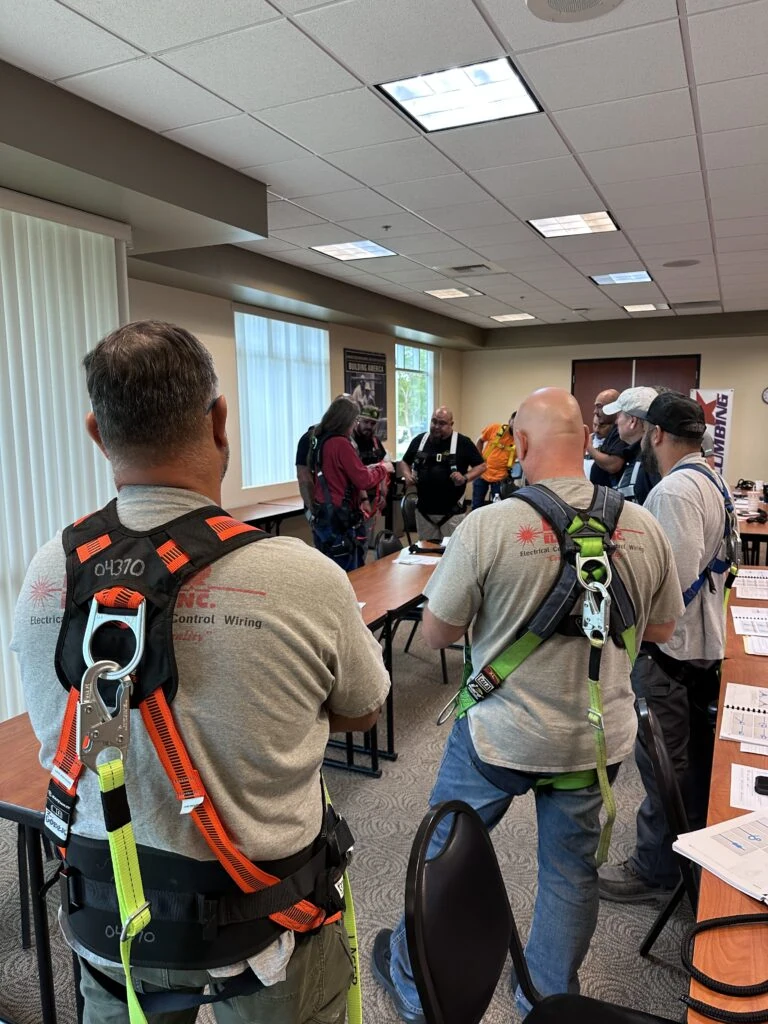
We don't have to work 70 hours a week. Here's the question I also ask with those that are saying, oh, they come in with no worth work ethic. You know, I'll give you an example. I get a contractor that calls me and says, you know, Shandon, you're not teaching anything at that school of yours over there at ABC. I'm getting guys coming to the job site where, you know, they're showing up and they don't have their proper, you know, protection equipment. They don't have their boots or they're late or they're, you know, they have no work ethic.
What kind of, what kind of show are you running over there anyway is usually what I get. And my question is, what are we doing to teach them proper work ethic? What are we doing to teach them the, this is what's required. So I have here a book, it's called The Complete Guide to Executive Manners. It was one of the first books I bought and I invested in when I started getting into the workplace. And the, the front cover talks about, you know, it's every executive's handbook that you have to have it. It talks about how leadership and executive leadership is not just in the boardroom.
It's not just in your company, but it's everywhere you go. It's when you're in restaurants, it's when you're having phone calls, it's when you're doing anything, you're leading or you're demonstrating what you're wearing. And I think a lot of what we're missing in the disconnect between Gen Z doesn't want to work and our generation of saying, you know, you have to do it this way or whatever, is that we're not properly giving them the balance that yes, there is appropriate purpose and flexibility. I think our generation needs to learn that there is appropriate balance and flexibility that's needed, but also that accountability comes with that.
It's not just one way or the other. You know, there were, on the flip side, I, I had somebody during an interview tell me, I'm, I'm not understanding why you don't have unlimited paid time off, which is like vacation. Why don't you have unlimited vacation? And I said, well, we don't, we have appropriate two weeks vacation. And she answered and said, that's very stifling for me. So I think there needs to be a balance between the perception of Gen Z doesn't want to work and they're lazy and they want unlimited vacation. And us understanding the why of, you know, their purpose and looking for flexibility in the workplace.
And then as leaders, our responsibility to say, here's what's expected of you. Here's the why. For example, a simple dress code is appropriate. And why is it appropriate? Because if you're meeting with business people, or we have people coming into our office, then it's appropriate that we should be in business attire, not casual Fridays all the time because we're entertaining clients or we have potential legislative officials. So there's a why there. And we're explaining. I feel that a lot of times as leaders, we miss that boat of actually leading and holding people accountable and explaining why it's important.
And then on the Gen Z side, it might be effective for them to ask why or ask questions like, why is this the case or, or what is that? And that helps us build the bridge, you know, closer together. So I guess my outside voice for this take is, does Gen Z not want to work? Really? Or do they really want to work? And do they have the work ethic? We're just, we're failing as leaders to provide them a proper training program or a proper path forward or proper accountability. And my question to everybody is, who led you?
Who taught you when you were coming up in the ranks? You know, I like back and it was a little bit of my parents and a little bit of the business environment. I'll never forget. I, you know, this was back in the olden days, but it was very much commonplace to have nylons or pantyhose as a regular, you know, part of our business attire. And that was taught. This is what was told to me. You will wear this on these days. So for the generations coming into the workplace now, and for the leaders that are leading, twofold.
One, I think we can come into the middle and say, we don't need to work 70 hours a week. We don't need to be answering emails on vacation. So we, there is purpose and there is flexibility in the workplace. And there is understanding that there is a work-life balance if that's, you know, achievable. And then on the Gen Z side, let's lean into understanding why there's accountability, why there are appropriate protocols and why purpose and flexibility always come with some level of accountability. What are your thoughts, San Diego? As contractors, what do you see in the workplace?
What's your opinion? We want to hear from you. Do you think Gen Z has a work ethic? Do you think that they want to work? Are you of the camp that says, yep, they absolutely want to work? What I see out there is some of the hardest working men and women of this lifetime. We definitely believe in them and we're leading them forward. All right, that's a wrap for this signature series. My outside voice. You know what we do like it. If you like it and hit subscribe, we want to hear your comments, give us the feedback and stay classy, San Diego.