
Mental health and suicide prevention in construction: ABC’s Haley Moyers on changing the culture.
For a long time, many of those who work in construction have felt they had to hide mental health issues, such as anxiety, depression, substance abuse struggles and suicidal thoughts. Some still believe that asking for help can mean risking their jobs. The reality, however, is that many wrestle with these issues at one time or another, and often these issues follow people to their workplaces.
“Life can be hard,” said Haley Moyers, Associated Builders and Contractors’ Director of Workforce Programs and Initiatives. “People can go through challenging things, and the idea that you can leave all your issues at the gate from 9 to 5 is not realistic.”
That’s why ABC and its chapters have spent the last several years working to change the culture surrounding mental health in construction. Moyers said the organization’s focus has shifted toward creating workplaces where employees understand that asking for help is not a sign of weakness.
“It’s about the idea that it’s OK to not be OK,” she said.
That cultural shift has become increasingly important as the construction industry continues to face one of the nation’s highest suicide rates. A major obstacle to getting help, she explained, is fear. Many workers worry that admitting they are struggling emotionally — especially with suicidal thoughts — could cost them their livelihoods. But ABC’s approach is centered on keeping workers supported, employed and connected to resources before problems escalate into tragedy.
ABC wants workers to understand there are ways to get help while continuing to build successful careers, said Moyers. “We don’t want anybody to lose their job. We want them to grow and be successful.”
She said ABC has worked to position itself as a leader in addressing mental health, substance abuse recovery and employee well-being throughout the construction industry. In fact, ABC was the first trade association recognized as a certified Recovery Friendly Workplace through a national White House initiative. The designation recognizes an organization’s effort to support workers dealing with addiction recovery and sobriety, while helping create workplaces where employees feel accepted rather than judged.
Moyers emphasized the importance of creating a plan when an ABC member is in crisis so they get help within the first 24 hours after expressing suicidal thoughts, for example, thereby ensuring that the individual is supported, connected to help and not left isolated during a vulnerable moment. ABC regularly connects members with outside services including the 988 Suicide and Crisis Lifeline, construction-specific crisis lines, counselors, therapists, faith-based support networks and mobile crisis response teams that specialize in behavioral health emergencies. ABC leaders also emphasize the importance of peer support and family involvement, recognizing that coworkers, spouses and friends are often the first to notice when someone is struggling.
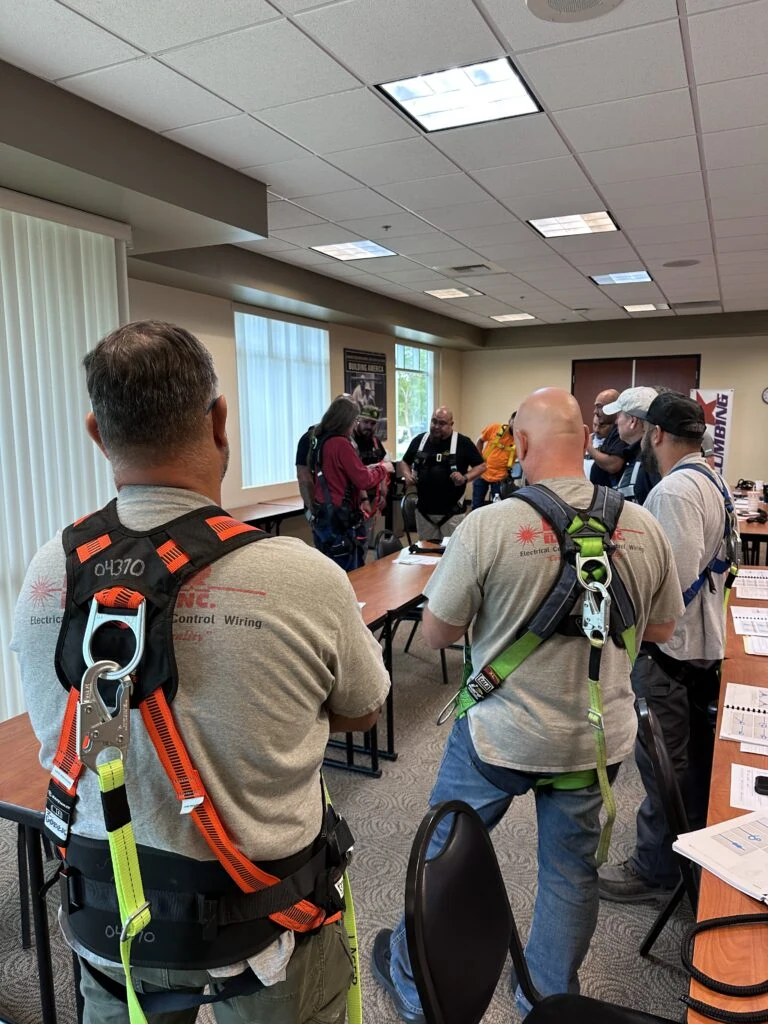
ABC has developed a growing network of mental health and suicide prevention resources through their Total Human Health initiative. Central to those efforts is the VitalCog: Suicide Prevention in Construction training, that teaches workers, supervisors and company leaders how to recognize warning signs, start difficult conversations and connect people with help before a crisis escalates. Developed specifically for the construction industry, the program treats mental health as a core safety issue alongside the traditional goal of physical safety. Through VitalCog, ABC has trained thousands of participants nationwide through its Mental Health Champions peer group, with certified instructors now active across most ABC chapters.
Many ABC contractors have begun integrating workforce chaplain programs directly onto jobsites. These chaplains serve as trusted, visible support figures who regularly visit employees in the field and provide confidential conversations during difficult times. These relationship-based programs have helped normalize emotional support within an industry where many workers remain hesitant to seek formal counseling, said Moyers
ABC is also embracing newer technology-based approaches to mental health support. One example is Confyde, a confidential mental health check-in platform now piloted by ABC San Diego and other chapters. The platform allows workers to complete anonymous wellness check-ins and privately connect with designated mental health champions within their organization. The goal is to create safe, stigma-free opportunities for workers to ask for help early — before personal struggles develop into larger crises.
Together, these efforts reflect a broader shift within ABC and the construction industry toward recognizing mental health as an essential part of workforce safety, well-being and long-term industry sustainability. While not every ABC chapter has the same staffing and financial resources, Moyers said interest in the topic continues to grow. More contractors, managers and industry leaders are recognizing that mental health is not separate from workplace safety — it is a key part of it.
“We want to decrease the stigma,” Moyers said. “We are changing how our society talks about construction and we want it to be a culture where everybody feels welcome, accepted and supported no matter what they’re going through.”